
Which Dark Spot Is It?
Not all dark spots are the same. Acne marks, sun damage, and hormonal pigmentation each behave differently and require the right approach. Identifying your type of dark spot is key to achieving real results without causing further irritation.


Why All Dark Spots Aren’t the Same
Many people treat every dark spot as if it came from the same cause. In reality, pigmentation forms at different depths of the skin and responds to different triggers. When the wrong approach is used, that stubborn dark spot can linger—or even worsen.
Here’s why identifying the type matters:


Managing Recurring Pigmentation
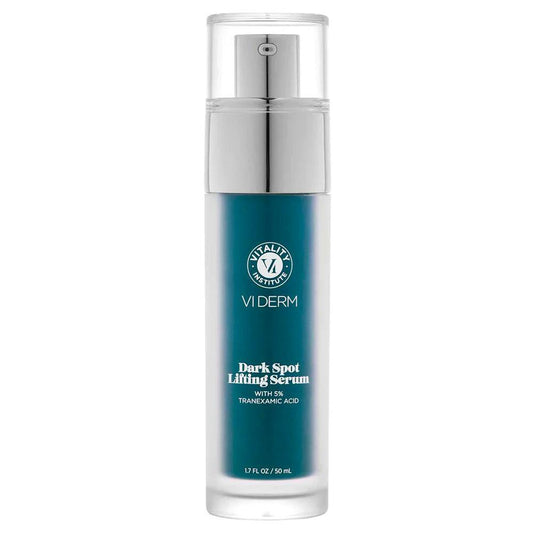

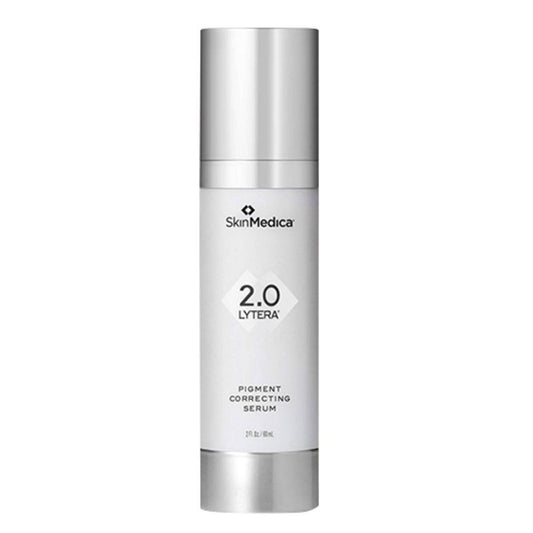

Post-Inflammatory Hyperpigmentation (PIH): The Aftermath of Inflammation
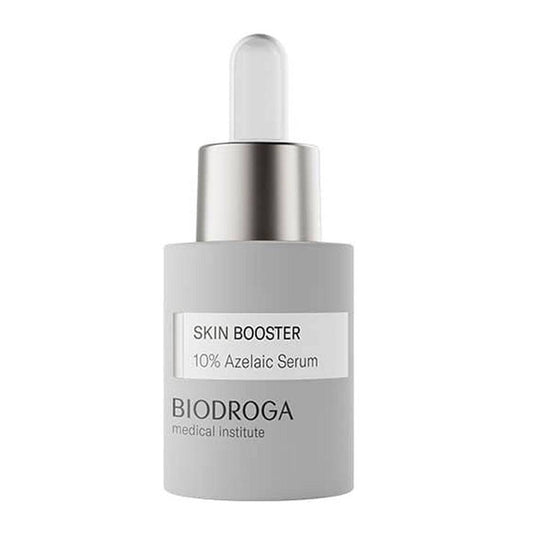
Sun Spots: Accumulated UV Damage




Important
Quick Comparison
Understanding how each dark spot type behaves helps set realistic expectations:
Melasma: hormone- and heat-triggered, recurring
PIH: inflammation-based, temporary with care
Sun spots: UV-induced, cumulative damage
Each dark spot type requires a different balance of prevention, treatment, and maintenance. Treating them all the same is one of the biggest skincare mistakes beginners make.
Each type needs a different approach—prevention, treatment, and maintenance. Treating them the same is a common skincare mistake.
FAQ
Have questions?We’ve got answers
Skincare isn’t about erasing your past—it’s about supporting your skin’s future with confidence.
What is the difference between melasma, PIH, and sun spots?
Melasma is hormone- and heat-related, appearing as symmetrical patches.
Post-inflammatory hyperpigmentation (PIH) occurs after acne, injuries, or irritation.
Sunspots form from years of UV exposure and usually appear later in life.
Each type of dark spot responds differently to treatment.
Can a dark spot fade on its own?
Some dark spots, like mild PIH, may fade naturally over time. Melasma and sun spots often require consistent treatment and sun protection to see improvement.
How long does it take to see results?
PIH: often 4–8 weeks with consistent care
Melasma: 8–12 weeks or longer, may recur without prevention
Sunspots: 8–16 weeks or more, depending on depth and sun exposure.
Patience is key when treating any dark spot.
Can I prevent dark spots from forming?
Yes! Prevention focuses on:
Daily broad-spectrum SPF
Avoiding excessive heat for melasma
Gentle skincare to prevent irritation-induced PIH
Limiting sun exposure for sun spots
